Elizabeth Branch Dyson
Assistant Editorial Director, Executive Editor
I acquire Chicago’s books—for both scholarly and general audiences—in sociology, education, and music, especially jazz and blues studies. I am particularly looking for books in the social sciences that challenge our thinking and point us in the right direction.
If you are an academic looking to expand your book’s audience, look no further than the latest by James M. Lang, Write Like You Teach: Taking Your Classroom Skills to a Bigger Audience.
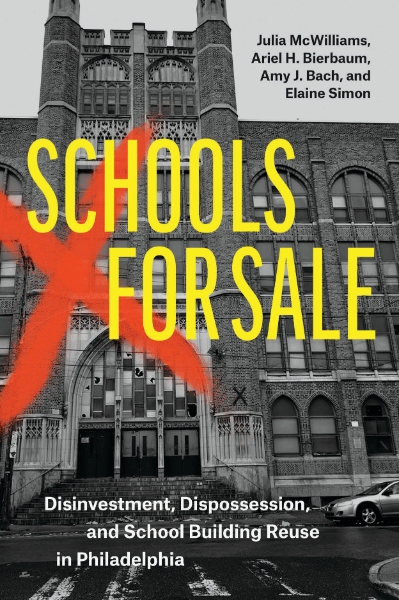
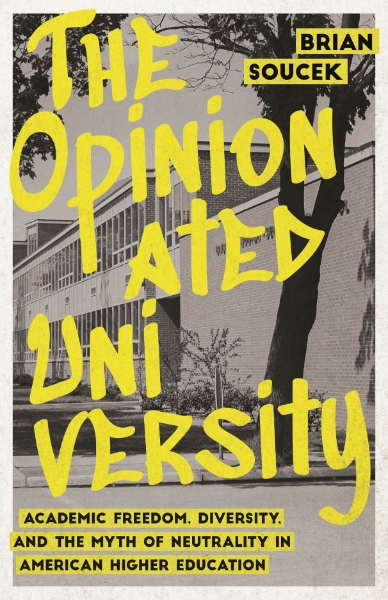
I welcome books on education broadly—from early childhood education to higher ed and beyond. Brian Soucek offers a timely intervention about higher education in these times with The Opinionated University: Academic Freedom, Diversity, and the Myth of Neutrality in American Higher Education while Mara Casey Tieken examines some of the social costs of college in Educated Out: How Rural Students Navigate Elite Colleges—And What It Costs Them. Sarah Miller reintroduces us to bullying in high school, but this time with social media, in The Tolerance Generation: Growing Up Online in the Anti-Bullying Era. Mai Thai shows the results of school partnerships with the local police in Kid Cops: What Communities Gain and Lose from Junior Police in Schools. And what happens when large urban school systems close their schools? Julia McWilliams and her coauthors answer that complicated question in Schools for Sale: Disinvestment, Dispossession, and School Building Reuse in Philadelphia. Finally, journey with Susan Engel across the country to see the best of what kindergartens have to offer our youngest learners in American Kindergarten: Dispatches from the First Year of School.
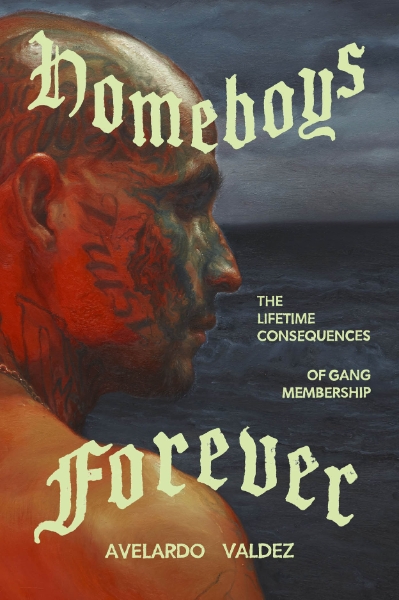
Our wide-ranging sociology list features books of theory, history, mixed methods, longitudinal studies, and more, but its heart belongs to ethnography, as exemplified in two new books on precarious urban living: Avelardo Valdez’s Homeboys Forever: The Lifetime Consequences of Gang Membership and Jooyoung Lee’s The Walking Wounded: Festering and Ricocheting Trauma After Gun Violence. In Break the System: Criminalized Black Mothers and the Reproductive Politics of Abolition, Susila Gurusami shows how the law deliberately criminalizes and punishes Black women. Sunmin Kim examines the history of American social order in The Unruly Facts of Race: The Politics of Knowledge Production in the Early Twentieth-Century Immigration Debate, and Yanfei Sun shakes up the sociology of religion with Religious Change in Post-Mao China: Toward a New Sociology of Religion. And if you are looking for a new, accessible book for your undergraduate sociology classes, look no further than Our Blood: The Social Experience of Heritas by Michael M. Bell, Loka Ashwood, and Jay Orne.
In music, Steven Rings delves into the actual music of Bob Dylan with What Did You Hear? The Music of Bob Dylan. Andrew S. Berish’s Hating Jazz: A History of Its Disparagement, Mockery, and Other Forms of Abuse explains why jokes about jazz will never die. And Bob Gluck has returned with a book on Pat Metheny, Pat Metheny: Stories beyond Words.
My colleague Mollie McFee also acquires many of our books in music.
Senior Editorial Associate Josephine Chaet ably assists me and is a close collaborator in all of these endeavors.
I studied English literature and music at Yale, then taught middle school for a few years before joining Chicago in 2000. Until 2019, I acquired our books in philosophy; that list is now sponsored by Kyle Wagner.
Prospective authors are encouraged to consult our submission guidelines. We also provide an overview about publishing with Chicago here.