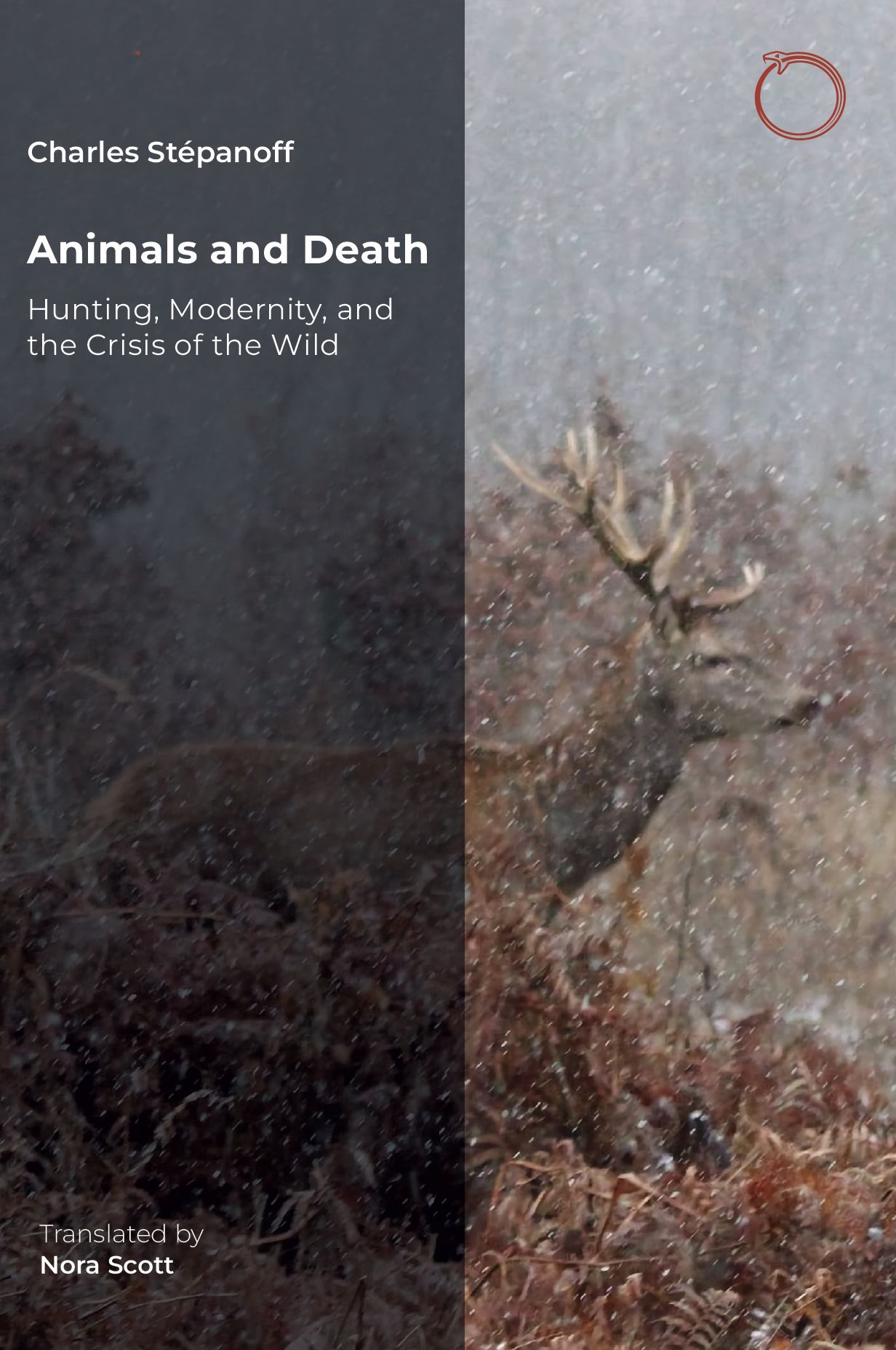
From pets to prey to food, the hierarchy of animals’ relationship to humans has profound anthropological and ecological implications.
Modernity has divided animals into two categories: those deemed worthy of protection and affection, and those reduced to raw material for industry. How can we make sense of this strange split between protective love and intensive exploitation? Hunting, which both predates this opposition and continues to unsettle it, provides an exceptional vantage point from which to examine our contradictory relationship with living beings in the midst of an ecological crisis. Drawing on an immersive field study, Charles Stépanoff documents the accelerated erosion of rural biodiversity, and the paradoxical relationships between hunting, protection, and compassion. Over the course of this rich journey, he sheds new light on the anthropological and ecological foundations of the violence inflicted on living beings, as well as on the wild origins of political sovereignty. Ultimately, by questioning the peculiar moral hierarchy that this violence produces today, Stépanoff gives our moral and emotional perception a deeper field of vision.
350 pages | 17 halftones, 1 map | 6 x 9 | © 2026
Anthropology: Cultural and Social Anthropology
Biological Sciences: Ecology
Philosophy: Ethics


Table of Contents
Figures
Introduction
Part One. Wars of the Wild
Chapter 1. The Great Depopulation of the Plains
Chapter 2. The Partridge Disaster
Chapter 3. The Flight of the Swallow
Chapter 4. The Hedge, an Edge between Worlds
Chapter 5. The Triumph of the “Bête Noire”
Chapter 6. Eat What You Kill, Kill What You Eat
Chapter 7. My Intimate Pest
Chapter 8. From Gathering to Harvesting: The Management Revolution
Chapter 9. A Neo-Savage Ritual in France
Chapter 10. Commercial Hunting
Chapter 11. The Forest Is at War
Chapter 12. Of Dogs and Men
Chapter 13. Animism in Minor Mode
Chapter 14. Pleasure and Imagination
Part Two. Sovereignty and Wild Blood from the Beginning to the Present Day
Chapter 15. The Empathetic Predator
Chapter 16. Cosmopolitical Power
Chapter 17. The Raven’s Share: An Outline of the Ontology of Butchery
Chapter 18. Society of Landowners and Disciplinary Power
Chapter 19. Protection and Compassion
Part Three. Ethics and Counter-Ethics of Predation
Chapter 20. The Stag’s Tears
Chapter 21. “A Woman Who Kills Is a Monster”
Chapter 22. The Hermit, the Monk, and the Hunter
Chapter 23. Anti-Hunting Sentiment
Chapter 24. On the Division of Moral Labor
Conclusion. Metaphysics of Predation
Acknowledgments
References
Introduction
Part One. Wars of the Wild
Chapter 1. The Great Depopulation of the Plains
Chapter 2. The Partridge Disaster
Chapter 3. The Flight of the Swallow
Chapter 4. The Hedge, an Edge between Worlds
Chapter 5. The Triumph of the “Bête Noire”
Chapter 6. Eat What You Kill, Kill What You Eat
Chapter 7. My Intimate Pest
Chapter 8. From Gathering to Harvesting: The Management Revolution
Chapter 9. A Neo-Savage Ritual in France
Chapter 10. Commercial Hunting
Chapter 11. The Forest Is at War
Chapter 12. Of Dogs and Men
Chapter 13. Animism in Minor Mode
Chapter 14. Pleasure and Imagination
Part Two. Sovereignty and Wild Blood from the Beginning to the Present Day
Chapter 15. The Empathetic Predator
Chapter 16. Cosmopolitical Power
Chapter 17. The Raven’s Share: An Outline of the Ontology of Butchery
Chapter 18. Society of Landowners and Disciplinary Power
Chapter 19. Protection and Compassion
Part Three. Ethics and Counter-Ethics of Predation
Chapter 20. The Stag’s Tears
Chapter 21. “A Woman Who Kills Is a Monster”
Chapter 22. The Hermit, the Monk, and the Hunter
Chapter 23. Anti-Hunting Sentiment
Chapter 24. On the Division of Moral Labor
Conclusion. Metaphysics of Predation
Acknowledgments
References