Distributed for Seagull Books
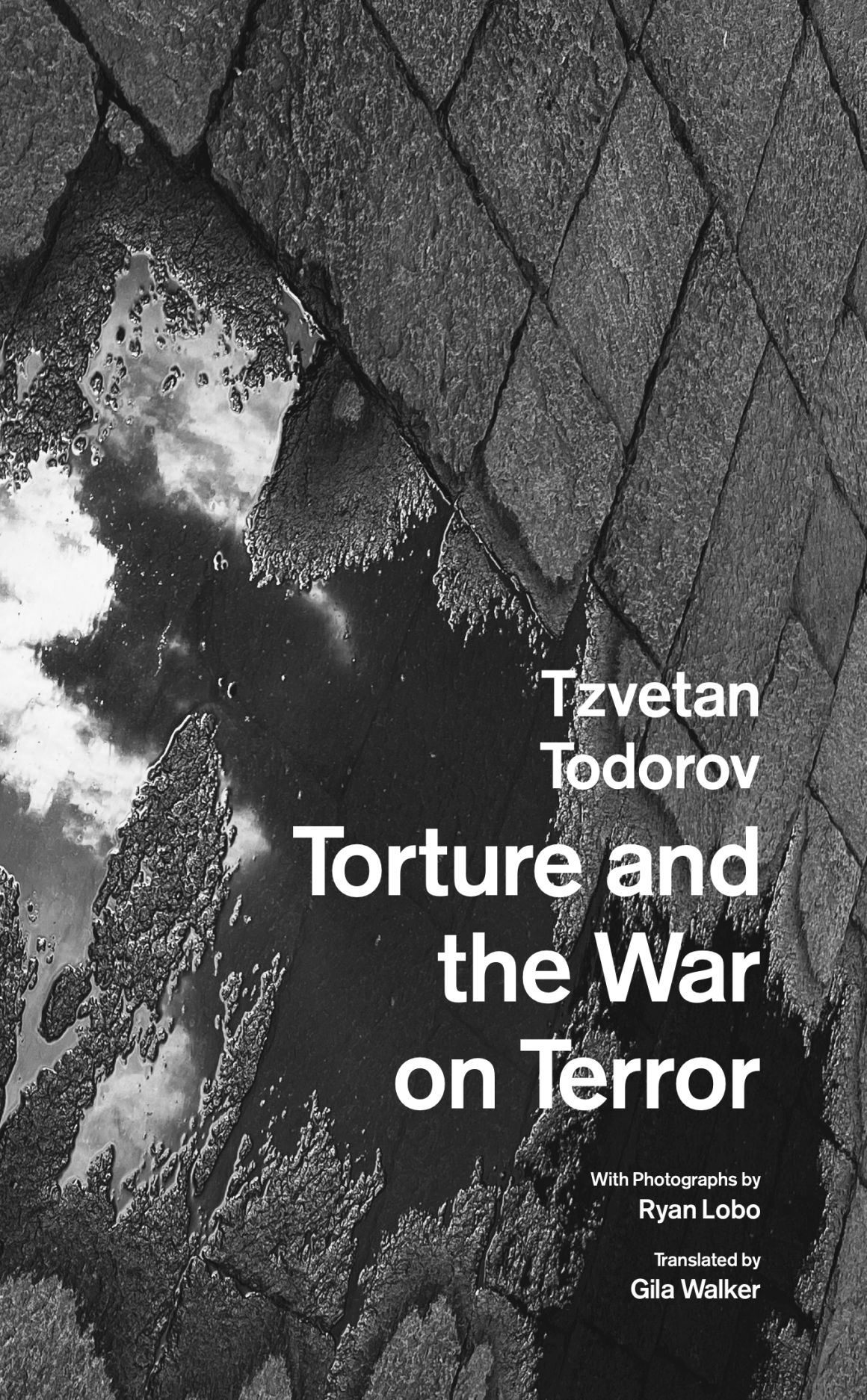
Torture and the War on Terror
One of the world’s leading intellectuals dismantles the political and ethical justifications for institutional torture.
In the aftermath of 9/11, the US government approved interrogation tactics for enemy combatant detainees that could be defined as torture, which was outlawed in Europe in the eighteenth century and forbidden by the Geneva Conventions and the United Nations Convention Against Torture. In conjunction with these policies, the Bush administration vocally defended torture as a necessary tool in its Global War on Terror. Though the election of Barack Obama and his signing of the executive order to close the prison at Guantanamo Bay signaled a considerable shift away from the policies of the Bush era, the lessons to be learned from the Global War on Terror will remain relevant and necessary for many years to come.
In Torture and the War on Terror, Tzvetan Todorov argues that the use of the terms “war” and “terror” dehumanizes the enemy and permits treatment that would otherwise be impermissible. He examines the implications and corrupting impact of the attempt to impose “good” through violence and spread democratic values by unethical means. Todorov asks: Can violence overcome violence? Does the need to protect one’s own country justify violating human rights? Challenging one by one the political and ethical arguments in favor of torture, Todorov likens institutional torture to a cancer that is eroding our society and undermining the very fundamental democratic ideas of justice and right.
64 pages | 30 halftones | 4 1/4 x 6 1/4 | © 2009
Philosophy: Ethics
Political Science: Diplomacy, Foreign Policy, and International Relations